

Hey there! I'm a supplier of Feed Grade Fumaric Acid, and I often get asked this super interesting question: Can Feed Grade Fumaric Acid be used in combination with antibiotics in animal feed? Well, let's dig into this topic and find out.
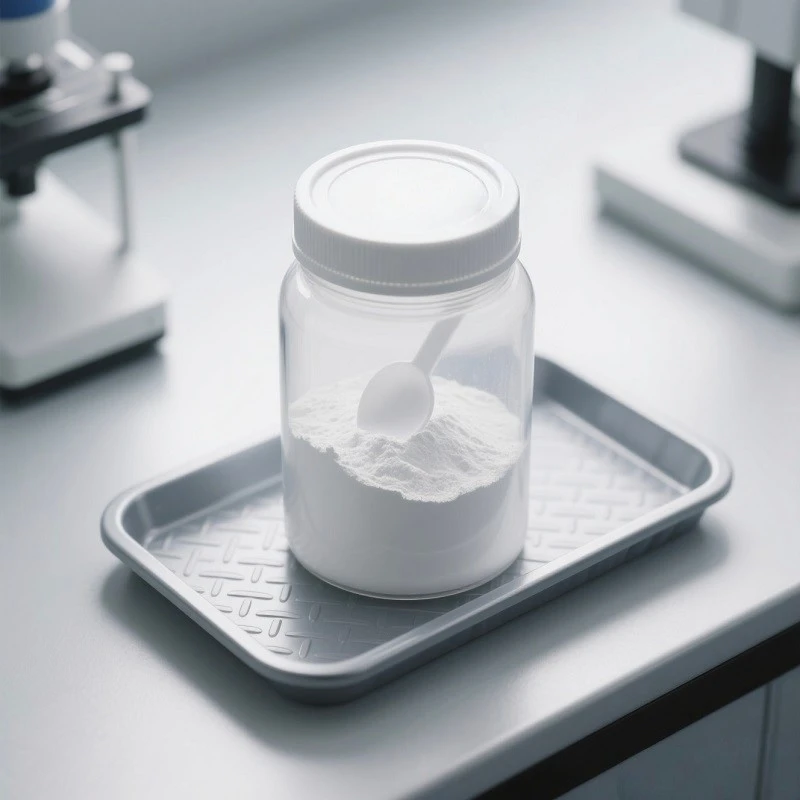

First off, let's understand what Feed Grade Fumaric Acid is. It's a chemical compound with the formula C₄H₄O₄. It's commonly used in animal feed for a bunch of good reasons. Fumaric acid can help improve the palatability of the feed, making it more appealing to animals. It also has some beneficial effects on the digestive system of animals. It can lower the pH in the gut, creating an environment that's less favorable for the growth of harmful bacteria. This, in turn, can enhance the overall health and performance of the animals.
Now, antibiotics have been a staple in animal feed for a long time. They're used to prevent and treat diseases in animals, and they can also promote growth. But over the years, there have been concerns about the overuse of antibiotics in animal agriculture, which can lead to the development of antibiotic - resistant bacteria. This is a major public health issue.
So, can we use Feed Grade Fumaric Acid and antibiotics together? The answer is yes, but with some important considerations.
One of the main advantages of using them in combination is that Fumaric Acid can potentially enhance the effectiveness of antibiotics. As I mentioned earlier, Fumaric Acid can create a more acidic environment in the gut. Some antibiotics work better in an acidic environment. For example, certain types of antibiotics are more stable and have better absorption rates when the pH is lower. So, by adding Feed Grade Fumaric Acid to the feed, we might be able to get more out of the antibiotics we're using.
Another aspect is that Fumaric Acid can help reduce the need for high - dose antibiotics. Since it has antibacterial properties of its own, it can work alongside antibiotics to control the growth of harmful bacteria. This means we can potentially use lower doses of antibiotics while still achieving the same level of disease prevention and growth promotion. This is a win - win situation as it can help address the concerns about antibiotic resistance.
However, we also need to be careful. The combination of Feed Grade Fumaric Acid and antibiotics needs to be carefully balanced. If the pH in the gut becomes too acidic due to excessive Fumaric Acid, it can have negative effects on the animals. It might disrupt the normal digestive process and cause problems like diarrhea or reduced feed intake. Also, some antibiotics might interact with Fumaric Acid in unexpected ways. So, it's crucial to do some research and testing to find the right ratio and dosage for different types of animals.
Let's talk about different types of animals. For cattle, for example, Feed Additives For Cattle are very important. Cattle have a complex digestive system, and the use of Feed Grade Fumaric Acid and antibiotics in their feed needs to be well - thought - out. In cattle, Fumaric Acid can help improve rumen fermentation, which is essential for their digestion. When used in combination with antibiotics, it can help keep the cattle healthy and promote better growth.
For pigs and poultry, the situation is similar. These animals are often raised in large - scale farms, and the use of feed additives is common. Feed Grade Fumaric Acid can improve the gut health of pigs and poultry, and when combined with antibiotics, it can enhance their overall well - being. But again, we need to make sure we're using the right amounts.
It's also worth noting that the regulations regarding the use of Feed Grade Fumaric Acid and antibiotics vary from country to country. In some places, there are strict rules about the use of antibiotics in animal feed, and we need to make sure we're following these regulations when using them in combination with Fumaric Acid.
If you're in the food industry, you might also be interested in Food Grade Fumaric Acid. While it's a bit different from Feed Grade Fumaric Acid, it still has some similar properties and applications. Food Grade Fumaric Acid is used in the production of food products, and it can also have some health - promoting effects.
In conclusion, Feed Grade Fumaric Acid can definitely be used in combination with antibiotics in animal feed. It has the potential to enhance the effectiveness of antibiotics, reduce the need for high - dose antibiotics, and improve the overall health of animals. But we need to be cautious and do our due diligence to ensure we're using the right combination and dosage.
If you're interested in learning more about Feed Grade Fumaric Acid or discussing the possibility of using it in combination with antibiotics in your animal feed, I'd love to have a chat. Whether you're a large - scale farm owner or a small - scale breeder, we can work together to find the best solutions for your animals. So, don't hesitate to reach out and start a conversation about potential procurement.
References
- "The Role of Organic Acids in Animal Nutrition" - Journal of Animal Science
- "Antibiotic Use in Animal Agriculture: Current Trends and Concerns" - Public Health Reports
- "Effect of Fumaric Acid on Gut Health in Livestock" - Journal of Veterinary Research