

As a supplier of high-quality L-tryptophan, I often encounter various inquiries from customers. One question that frequently comes up is whether high-quality L-tryptophan has a smell. In this blog post, I will delve into this topic, providing a scientific and detailed explanation based on my experience and knowledge in the field.
Understanding L-Tryptophan
L-tryptophan is an essential amino acid, which means that our bodies cannot synthesize it on their own and we must obtain it through our diet. It plays a crucial role in numerous physiological processes. For instance, it is a precursor to serotonin, a neurotransmitter that regulates mood, sleep, and appetite. Additionally, it is involved in the production of niacin (vitamin B3) and melatonin, which is important for regulating the sleep-wake cycle.
The Smell of L-Tryptophan
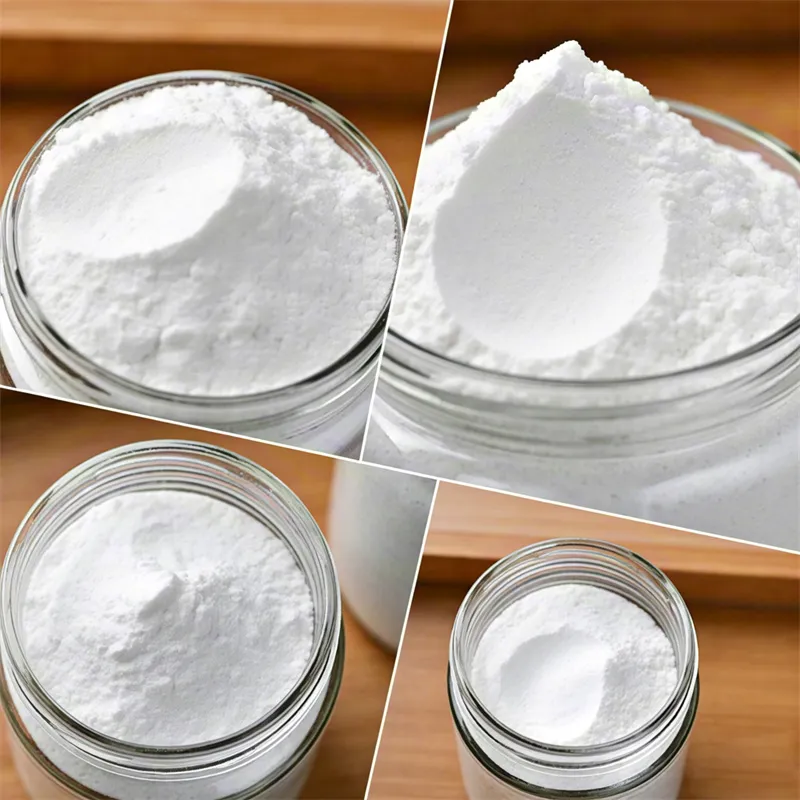
Pure high-quality L-tryptophan is generally described as having a very faint or almost imperceptible odor. In its crystalline form, which is the most common form of commercially available L-tryptophan, it has a characteristic, but mild, smell. Some people might describe it as a slightly earthy or musty odor, but it is far from being overpowering.
The reason for this mild smell lies in its chemical structure. L-tryptophan is an organic compound with a complex molecular structure. The presence of certain functional groups and the way the molecules interact with each other can contribute to the odor. However, the manufacturing process of high-quality L-tryptophan is designed to minimize any unwanted odors. Through advanced purification and refining techniques, the impurities that could potentially cause a stronger or unpleasant smell are removed, resulting in a product with a very subtle odor.
Factors Affecting the Smell
While high-quality L-tryptophan has a mild smell, there are several factors that can influence the perception of its odor.
Purity
The purity of L-tryptophan is a key factor. Lower purity products may contain more impurities, which can introduce additional odors. These impurities could be by-products of the manufacturing process or contaminants that have entered during production, storage, or transportation. As a high-quality L-tryptophan supplier, we ensure that our products meet strict purity standards, which helps to maintain the characteristic mild smell.
Storage Conditions
Improper storage can also affect the smell of L-tryptophan. Exposure to high temperatures, humidity, or sunlight can cause chemical reactions that alter the product's properties, including its odor. For example, if L-tryptophan is stored in a hot and humid environment, it may absorb moisture, which can lead to the growth of microorganisms or the degradation of the compound, resulting in a stronger or unpleasant smell. To prevent this, we recommend storing L-tryptophan in a cool, dry place, away from direct sunlight.
Packaging
The type of packaging used can also play a role in preserving the smell of L-tryptophan. High-quality packaging materials, such as airtight containers or bags, can prevent the entry of air, moisture, and contaminants, which helps to maintain the product's quality and odor. At our company, we use state-of-the-art packaging solutions to ensure that our L-tryptophan reaches our customers in the best possible condition.
Applications and the Role of Smell
L-tryptophan has a wide range of applications, and the smell can have different implications depending on the specific use.
Food Industry
In the food industry, L-tryptophan is used as a Food Additive Amino Acids. It can be added to various food products, such as infant formulas, sports drinks, and dietary supplements, to enhance their nutritional value. Since food products are consumed, the smell of L-tryptophan needs to be carefully considered. The mild smell of high-quality L-tryptophan is generally well-tolerated and does not significantly affect the taste or aroma of the final product. In fact, in many cases, the smell is masked by the other ingredients in the food.
Pharmaceutical Industry
In the pharmaceutical industry, L-tryptophan is used in the production of medications for treating conditions such as depression, insomnia, and anxiety. The smell of L-tryptophan is less of a concern in this context because the medications are usually formulated in a way that the odor is not noticeable to the patient. For example, L-tryptophan can be encapsulated or formulated into tablets, which effectively hide the smell.
Animal Feed Industry
L-tryptophan is also used in the animal feed industry to improve the nutritional value of animal diets. Animals have different olfactory sensitivities compared to humans, and the mild smell of L-tryptophan is generally not a problem. In fact, it can even be beneficial in some cases, as it can act as a flavor enhancer, making the feed more palatable to the animals.
Comparing with Other Amino Acids
It is interesting to compare the smell of L-tryptophan with other amino acids. For example, High Quality Aspartic Acid has a different odor profile. Aspartic acid is known for its slightly acidic and sour smell, which is quite distinct from the earthy smell of L-tryptophan. Each amino acid has its own unique chemical properties, which contribute to its characteristic smell.
Ensuring Quality and Consistency
As a high-quality L-tryptophan supplier, we are committed to providing our customers with a product that meets the highest standards of quality and consistency. We have a rigorous quality control system in place, which includes regular testing of our products for purity, smell, and other quality parameters. Our manufacturing facilities are equipped with the latest technology and adhere to strict Good Manufacturing Practices (GMP).
We also offer Food Grade L-tryptophan, which is specifically designed for use in the food industry. This product undergoes additional testing and certification to ensure that it is safe for human consumption and meets the strictest food safety regulations.
Conclusion
In conclusion, high-quality L-tryptophan does have a smell, but it is a very mild and characteristic odor. The manufacturing process, purity, storage conditions, and packaging all play important roles in determining the smell of the product. The mild smell of L-tryptophan is generally well-tolerated in its various applications, including the food, pharmaceutical, and animal feed industries.
If you are interested in purchasing high-quality L-tryptophan for your specific needs, we invite you to contact us for a detailed product consultation and to discuss your procurement requirements. We are dedicated to providing you with the best products and services, and we look forward to establishing a long-term partnership with you.
References
- "Amino Acids: Biochemistry and Nutrition" by David A. Bender
- "Handbook of Food Additive Toxicology" edited by Fereidoon Shahidi