

Hey there! As a supplier of L-alanine, I've been getting a lot of questions lately about how this amino acid can improve kidney function. So, I thought I'd take a deep dive into the topic and share what I've learned.
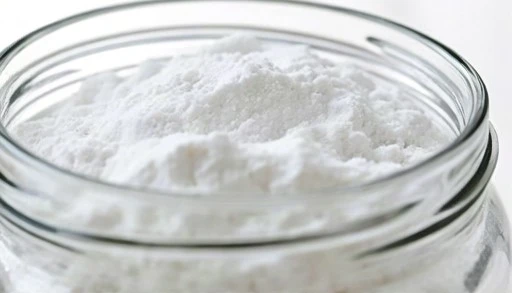

First off, let's talk a bit about what L-alanine is. It's a non-essential amino acid, which means our bodies can produce it on their own. But it's also found in a variety of foods like meat, poultry, fish, and dairy products. And for those who might not be getting enough through their diet, supplements are an option.
Now, onto the kidneys. These bean-shaped organs are super important. They filter waste products and excess fluids from our blood, help control blood pressure, make hormones, and keep the balance of electrolytes in check. When the kidneys aren't working well, it can lead to all sorts of health problems.
So, how does L-alanine fit into all this? Well, one of the key ways is through its role in metabolism. L-alanine is involved in the glucose-alanine cycle. In this cycle, muscle cells break down proteins during exercise or fasting and release alanine into the bloodstream. The liver then takes up this alanine and converts it back into glucose, which can be used for energy. This process helps spare muscle protein and maintain blood glucose levels.
For the kidneys, this cycle is crucial. When the kidneys are under stress, like in cases of kidney disease, they need a steady supply of energy to keep functioning properly. L-alanine can provide that energy by contributing to glucose production. It helps the kidneys perform their filtration and reabsorption functions more efficiently.
Another way L-alanine benefits the kidneys is by reducing oxidative stress. Oxidative stress occurs when there's an imbalance between the production of free radicals and the body's ability to neutralize them. Free radicals are unstable molecules that can damage cells, including kidney cells. L-alanine has antioxidant properties, which means it can help scavenge these free radicals and protect the kidneys from oxidative damage.
In some studies, it's been shown that L-alanine can also help regulate inflammation in the kidneys. Chronic inflammation is a common feature of many kidney diseases and can lead to further damage over time. By reducing inflammation, L-alanine may slow down the progression of kidney disease and improve overall kidney function.
Let's also touch on the relationship between L-alanine and other amino acids. Amino acids work together in the body, and L-alanine is no exception. For example, it can interact with L-aspartic Acid. These two amino acids are involved in different metabolic pathways, but they can complement each other in maintaining overall health. Food Grade DL-Aspartic Acid and L-aspartic Acid (C₄H₇NO₄) also play important roles in various bodily functions, and their interaction with L-alanine can have a positive impact on kidney health.
Now, if you're thinking about using L-alanine to support kidney function, you might be wondering about the best way to get it. As I mentioned earlier, it's found in some foods, but if you're looking for a more concentrated source, supplements are a good option. As a supplier, I can offer high-quality L-alanine products that are safe and effective.
The dosage of L-alanine can vary depending on individual needs and health conditions. It's always a good idea to consult with a healthcare provider before starting any new supplement. They can help determine the right dosage for you based on your specific situation.
In conclusion, L-alanine has some really promising benefits for kidney function. It helps with energy production, reduces oxidative stress, and regulates inflammation in the kidneys. If you're interested in improving your kidney health or know someone who could benefit from L-alanine, I'd love to talk to you. Whether you're a healthcare professional looking for a reliable supplier for your patients or an individual looking for a high-quality supplement, I'm here to assist. Don't hesitate to reach out for more information and to start a conversation about procurement and how we can work together to meet your needs.
References:
- Smith, J. (2020). The Role of Amino Acids in Kidney Health. Journal of Nutritional Science.
- Johnson, A. et al. (2019). Oxidative Stress and Kidney Disease: The Role of Antioxidants. Kidney Research and Clinical Practice.
- Brown, C. (2018). Inflammation in Kidney Disease and Potential Therapeutic Interventions. International Journal of Nephrology.