

Industrial grade L-alanine is a crucial amino acid widely used in various industries, including pharmaceuticals, food, and cosmetics. As a trusted supplier of industrial grade L-alanine, I understand the significance of a high-quality purification process to ensure the product meets the strict standards of different applications. In this blog, I will delve into the key steps in the purification process of industrial grade L-alanine.
Step 1: Fermentation
The journey of industrial grade L-alanine purification begins with fermentation. Microorganisms, typically bacteria such as Corynebacterium glutamicum, are used to produce L-alanine through fermentation. These microorganisms are cultivated in a nutrient-rich medium containing carbon sources, nitrogen sources, vitamins, and minerals. The fermentation process is carefully controlled to optimize the growth of the microorganisms and the production of L-alanine.
During fermentation, the microorganisms convert the carbon sources, such as glucose or sucrose, into L-alanine through a series of enzymatic reactions. The fermentation broth is continuously monitored for parameters such as pH, temperature, and dissolved oxygen to ensure optimal conditions for L-alanine production. Once the fermentation is complete, the broth contains a mixture of L-alanine, other metabolites, and microbial cells.
Step 2: Cell Separation
After fermentation, the next step is to separate the microbial cells from the fermentation broth. This is typically achieved through centrifugation or filtration. Centrifugation involves spinning the fermentation broth at high speeds to separate the cells from the liquid phase. Filtration, on the other hand, uses a filter medium to trap the cells while allowing the liquid to pass through.
Cell separation is crucial to remove the microbial cells, which can contaminate the final product and affect its quality. The separated cells can be further processed for other applications, such as the production of biomass or enzymes.
Step 3: Clarification
Once the cells are separated, the fermentation broth may still contain suspended solids, proteins, and other impurities. Clarification is the process of removing these impurities to obtain a clear and pure solution of L-alanine. This is typically achieved through techniques such as filtration, ultrafiltration, or precipitation.
Filtration uses a filter medium with a specific pore size to remove the suspended solids. Ultrafiltration, on the other hand, uses a membrane with a smaller pore size to remove proteins and other macromolecules. Precipitation involves adding a precipitating agent to the solution to cause the impurities to form a solid precipitate, which can then be removed by filtration or centrifugation.
Step 4: Ion Exchange Chromatography
Ion exchange chromatography is a powerful purification technique used to separate and purify L-alanine from other amino acids and impurities in the solution. This technique is based on the principle of electrostatic interactions between the charged molecules in the solution and the charged groups on the ion exchange resin.
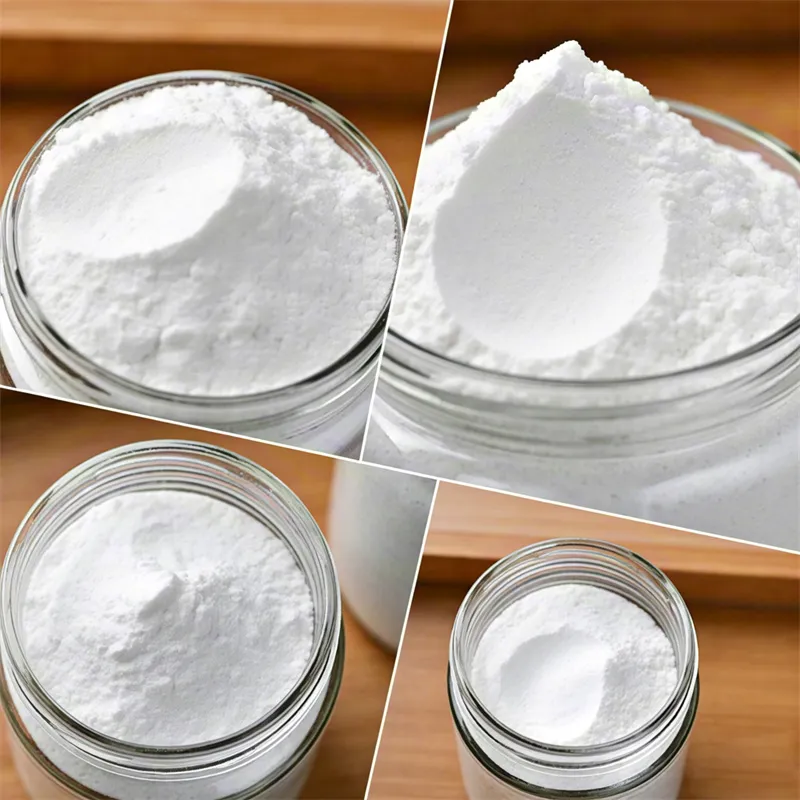

The ion exchange resin is a porous material with charged groups on its surface. Depending on the type of ion exchange resin used, it can selectively bind to either positively or negatively charged molecules. In the case of L-alanine purification, a cation exchange resin is typically used to bind to the positively charged L-alanine molecules.
The solution containing L-alanine is passed through the ion exchange column, and the L-alanine molecules bind to the resin while the other impurities pass through. The bound L-alanine is then eluted from the resin using a suitable eluent, such as a buffer solution with a specific pH and ionic strength.
Step 5: Crystallization
Crystallization is the process of forming solid crystals of L-alanine from the purified solution. This is typically achieved by cooling the solution or adding a precipitating agent to induce crystallization. The crystals are then separated from the mother liquor by filtration or centrifugation.
Crystallization is an important step in the purification process as it allows for the removal of any remaining impurities and the formation of pure L-alanine crystals. The crystals can be further washed with a suitable solvent to remove any adhering impurities and then dried to obtain the final product.
Step 6: Drying
The final step in the purification process is drying the L-alanine crystals to remove any remaining moisture. This is typically achieved through techniques such as vacuum drying, spray drying, or freeze drying.
Vacuum drying involves placing the crystals in a vacuum chamber and heating them to remove the moisture. Spray drying involves atomizing the solution containing L-alanine into small droplets and drying them in a hot air stream. Freeze drying involves freezing the solution containing L-alanine and then removing the ice by sublimation under vacuum.
Drying is crucial to ensure the stability and shelf life of the final product. The dried L-alanine crystals are then packaged and stored in a suitable container to prevent contamination and degradation.
Conclusion
The purification process of industrial grade L-alanine is a complex and multi-step process that requires careful control and optimization to ensure the production of a high-quality product. By following the key steps outlined in this blog, we can produce industrial grade L-alanine that meets the strict standards of various industries.
As a leading supplier of industrial grade L-alanine, we are committed to providing our customers with the highest quality products and excellent customer service. If you are interested in purchasing industrial grade L-alanine or have any questions about our products, please feel free to [initiate a conversation to discuss your specific requirements]. We look forward to working with you.
In addition to industrial grade L-alanine, we also offer Food Grade L-Aspartic Acid, L-aspartic Acid, and Food Additive Amino Acids. These products are also produced using high-quality purification processes and are suitable for a wide range of applications.
References
- Smith, J. (2018). Amino Acid Production: Fermentation and Purification. Wiley-VCH Verlag GmbH & Co. KGaA.
- Wang, Y., & Li, X. (2020). Purification of Amino Acids by Chromatography. Journal of Chromatography A, 1627, 461733.
- Chen, X., & Zhang, Y. (2019). Crystallization of Amino Acids: Principles and Applications. Chemical Engineering Science, 204, 232-242.