

Hey there! As a supplier of C4H7NO4, I've been getting a lot of questions lately about the possible functional groups in this compound. So, I thought I'd take a few minutes to break it down for you.
First off, let's talk a bit about what C4H7NO4 actually is. It's a chemical formula, and based on that formula, we can start to figure out what kind of functional groups might be present. The formula tells us that the compound has 4 carbon atoms, 7 hydrogen atoms, 1 nitrogen atom, and 4 oxygen atoms.
One of the most common functional groups we might expect to find in a compound with this formula is a carboxyl group (-COOH). Carboxyl groups are made up of a carbonyl group (C=O) and a hydroxyl group (-OH) attached to the same carbon atom. They're acidic in nature and are commonly found in carboxylic acids. Many amino acids, which are the building blocks of proteins, contain carboxyl groups.
If there's a carboxyl group in C4H7NO4, it would contribute to the acidic properties of the compound. This is important because it can affect how the compound reacts with other substances. For example, it might react with bases to form salts.
Another possible functional group is an amino group (-NH2). Amino groups are basic and are also a key part of amino acids. In fact, the combination of an amino group and a carboxyl group is what defines an amino acid. If C4H7NO4 has an amino group, it could act as a base and react with acids.

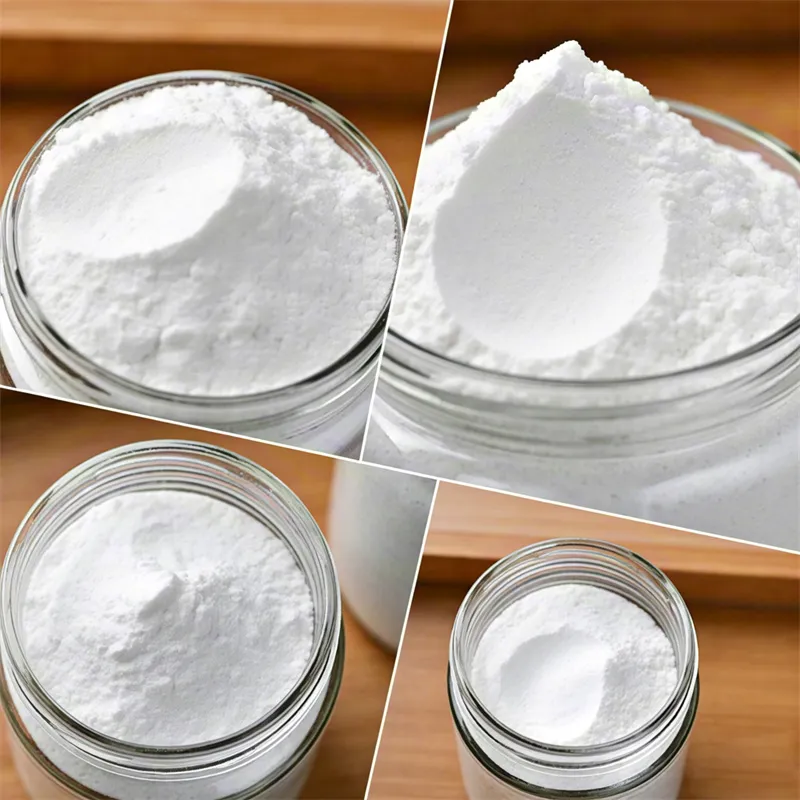
Now, let's think about the oxygen atoms in the formula. There are 4 of them, and besides being part of the carboxyl group, they could also be involved in other functional groups. For instance, an ester group (-COOR) is a possibility. An ester is formed when a carboxylic acid reacts with an alcohol, and it has a carbonyl group connected to an oxygen atom that's also attached to an alkyl or aryl group.
If there's an ester group in C4H7NO4, it would have different physical and chemical properties compared to a simple carboxylic acid. Esters are often volatile and have pleasant odors, which is why they're used in the perfume and flavor industries.
We also can't rule out the presence of a carbonyl group (C=O) on its own, not necessarily as part of a carboxyl or ester group. A carbonyl group can be found in ketones and aldehydes. A ketone has a carbonyl group in the middle of a carbon chain, while an aldehyde has a carbonyl group at the end of the chain.
Let's take a closer look at some real - world examples of compounds with similar formulas and functional groups. One well - known compound with a similar structure is aspartic acid. Aspartic acid has the formula C4H7NO4 and contains both an amino group and a carboxyl group. It's an important amino acid that plays a role in many biological processes, such as the synthesis of proteins and the regulation of the nervous system. If you're interested in an industrial - grade version of aspartic acid, you can check out Industrial Grade L - Aspartic Acid.
Another compound is tryptophan. Although its formula is different from C4H7NO4, it also contains important functional groups like an amino group and a carboxyl group. If you're in the food industry and looking for Food Grade L - tryptophan, it could be a great option for your products.
And then there's L - alanine, which is also an amino acid. It has a simple structure with an amino group and a carboxyl group attached to a central carbon atom.
As a supplier of C4H7NO4, I can tell you that understanding the functional groups in this compound is crucial for our customers. Depending on the application, different functional groups can offer different benefits. For example, if you're using it in a chemical synthesis, the reactivity of the functional groups will determine the reaction conditions and the products formed.
If you're in the pharmaceutical industry, the functional groups in C4H7NO4 could affect its bioavailability and how it interacts with biological molecules. In the food industry, the functional groups can influence the taste, stability, and nutritional value of the product.
So, if you're interested in C4H7NO4 for your business, whether it's for research, production, or any other purpose, I'd love to have a chat with you. We can discuss the specific requirements of your project and how our product can meet them.
Contact us to start a procurement discussion, and let's see how we can work together to achieve your goals.
References
- McMurry, J. (2012). Organic Chemistry. Cengage Learning.
- Wade, L. G. (2013). Organic Chemistry. Pearson.