

Hey there! As a supplier of High Quality L-tryptophan, I've got a ton of knowledge about this amazing amino acid, and one of the most crucial aspects is its storage conditions. In this blog, I'll share all the ins and outs of storing L-tryptophan to maintain its high quality.
First off, let's understand what L-tryptophan is. It's an essential amino acid, which means our bodies can't produce it on their own, and we need to get it from our diet. High Quality L-tryptophan, like the one we supply at [our unnamed company], is used in various industries, including food, pharmaceuticals, and dietary supplements. You can check out more about it on our website: High Quality L-tryptophan.
Now, let's dive into the storage conditions. Temperature is a key factor. L-tryptophan should be stored in a cool environment. Ideally, the temperature should be between 2°C and 8°C. This cool temperature helps to slow down any chemical reactions that could degrade the amino acid. If it gets too warm, the quality of L-tryptophan can start to decline. For example, at higher temperatures, oxidation can occur more rapidly, which can change the chemical structure of L-tryptophan and reduce its effectiveness.
Humidity is another important consideration. L-tryptophan is hygroscopic, which means it can absorb moisture from the air. Excess moisture can lead to clumping and the growth of microorganisms. To prevent this, it's best to store L-tryptophan in a dry place with a relative humidity of less than 60%. You might want to use desiccants in the storage area to keep the moisture levels in check.
Light can also have a negative impact on L-tryptophan. Ultraviolet (UV) light can cause photodegradation, breaking down the amino acid and reducing its potency. That's why it's recommended to store L-tryptophan in opaque containers or in a dark storage area. This way, you can protect it from the harmful effects of light.
When it comes to packaging, high-quality packaging is a must. Our High Quality L-tryptophan is packaged in airtight containers to prevent air and moisture from getting in. The containers are also made of materials that are resistant to chemical reactions with L-tryptophan. This ensures that the product remains stable during storage and transportation.
Now, let's talk about the shelf life. Under the proper storage conditions I've mentioned, High Quality L-tryptophan can have a shelf life of up to two years. However, it's important to check the expiration date on the packaging and follow the manufacturer's instructions. If you notice any changes in the appearance, smell, or texture of the L-tryptophan, it's best not to use it, as it may have degraded.

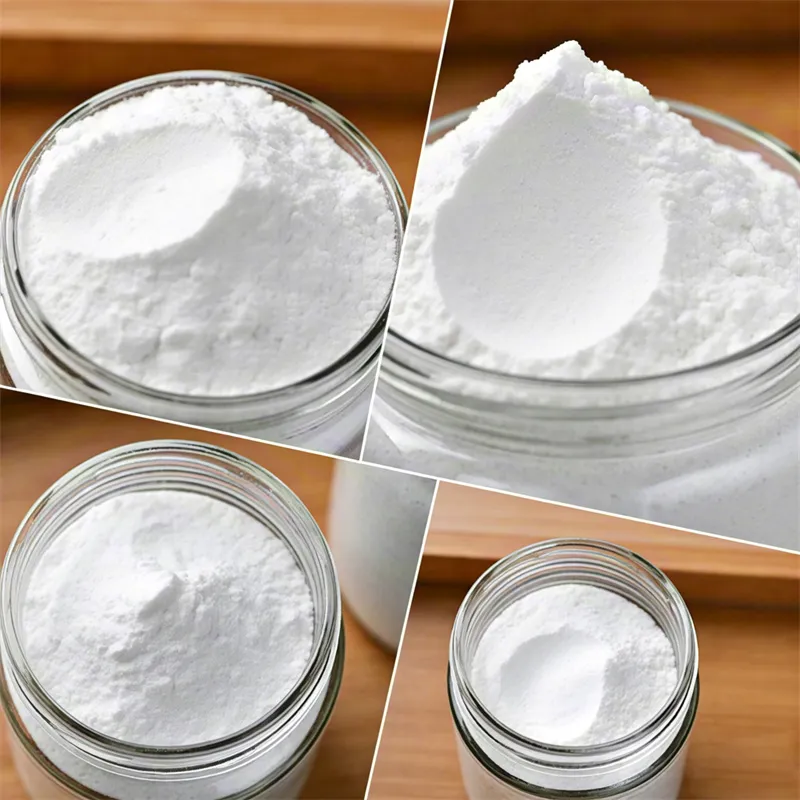
L-tryptophan is often used in combination with other amino acids, such as Aspartic Acid. When storing these mixtures, the same storage principles apply. Make sure to store them in a cool, dry, and dark place to maintain their quality.
In the food industry, L-tryptophan is used as a food additive. It's important to store it properly to ensure the safety and quality of the food products. You can learn more about Food Additive Amino Acids on our website: Food Additive Amino Acids.
To sum it up, proper storage of High Quality L-tryptophan is crucial for maintaining its quality and effectiveness. Keep it at a cool temperature, in a dry place, away from light, and in high-quality packaging. By following these guidelines, you can ensure that your L-tryptophan remains in top condition for as long as possible.
If you're interested in purchasing High Quality L-tryptophan or have any questions about its storage or usage, feel free to reach out to us. We're here to help you make the most of this amazing amino acid. Let's start a conversation and see how we can meet your needs.
References
- "Amino Acid Handbook" - A comprehensive guide on amino acids and their properties.
- "Food Additive Safety and Storage" - A publication focusing on the proper storage of food additives, including amino acids.